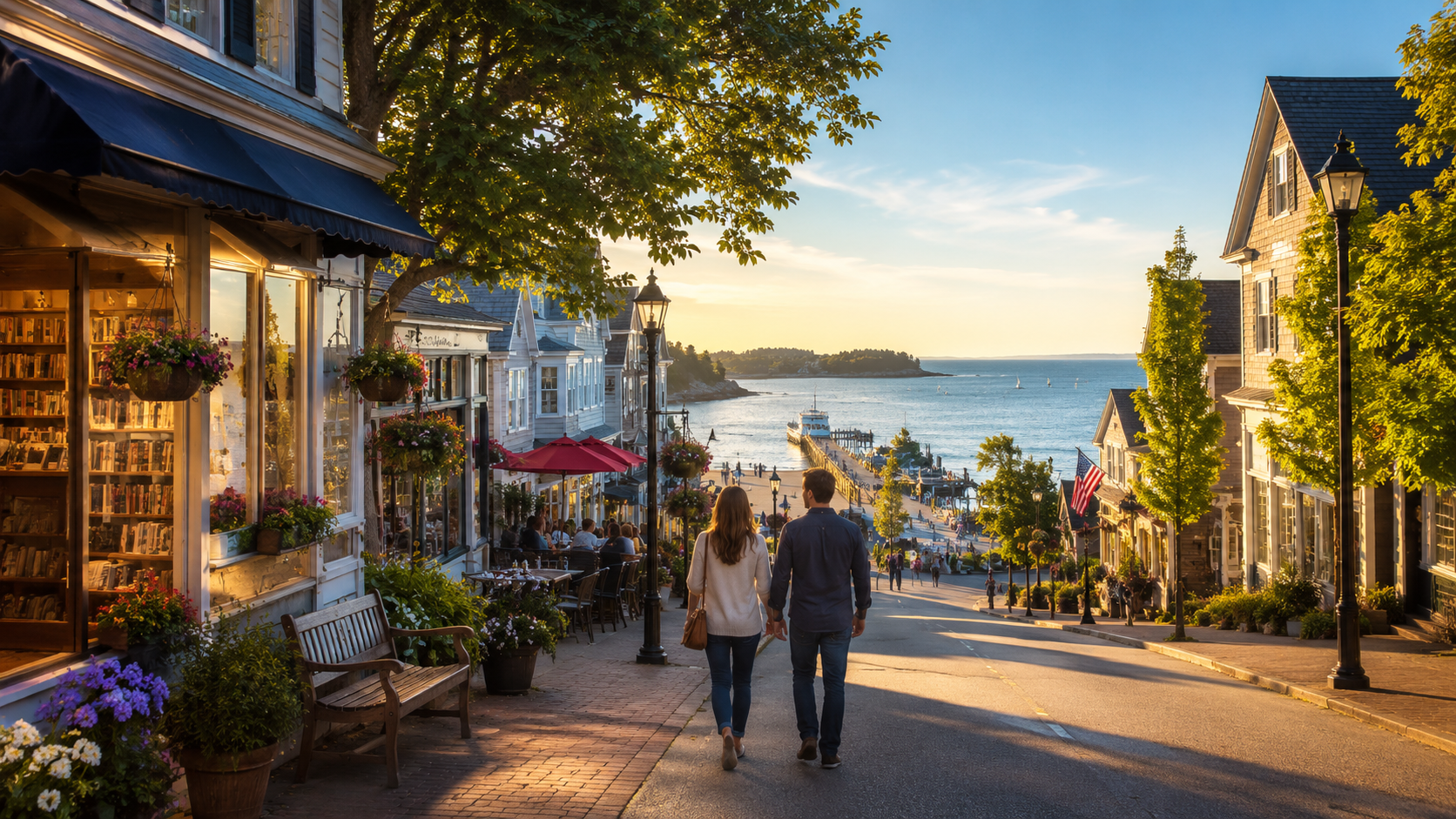
There is something deeply comforting about stepping into a story set in a place where everyone knows your name, local histories run generations deep, and it is almost impossible to vanish completely. That quiet magic is at the very core of why small-town romance novels continue to dominate bestseller lists and readers’ hearts.
These beloved books are far more than simple tales about two people falling in love. They are rich, atmospheric explorations of belonging, shared memory, close-knit communities, and the physical spaces that ultimately shape who we become. For many romance enthusiasts, the setting itself becomes a living, breathing character that is just as vital to the journey as the main couple.
What Does “Small-Town Romance” Mean?
At its core, a small-town romance is a love story embedded within a tight community where relationships naturally ripple out far beyond the central pairing. Neighbors look out for one another, families carry long histories, local businesses form the backbone of daily life, and people remember events that happened decades ago, sometimes keeping alive the very memories the main characters would rather forget.
This pervasive sense of connection creates a completely different atmosphere from urban romances. In a bustling city, two former lovers or mismatched leads can easily avoid each other for years, but in a small town, that escape is virtually impossible. The leads are bound to bump into each other at the local diner, the corner grocery store, the school pickup line, town hall meetings, or the annual summer festival, creating endless organic opportunities for witty banter, awkward encounters, rising tension, and surprising moments of vulnerability.
Why Readers Love the Sense of Community
One of the greatest joys for readers is the enveloping feeling of community that these novels provide. Small-town romances excel at populating their worlds with vibrant side characters, including loyal lifelong friends, delightfully opinionated neighbors, meddling family members, quirky shop owners, dedicated teachers, wise retirees, and local officials who have watched the protagonists grow up.
These supporting figures make the setting feel vibrantly alive, instilling a warm sense that the central relationship matters to the entire town. When readers return to a favorite fictional town across an interconnected book series, that growing familiarity transforms the setting into a cozy, recognizable home away from home.
Familiar Places Carry Emotional Weight
In these close-knit settings, everyday locations naturally carry immense emotional weight. A booth at the local diner isn’t just a place to grab breakfast; it is where two people shared their first date a decade ago. A high school football field holds the lingering ghosts of who the characters used to be, while a quiet lake dock, a sun-bleached beach, or a wooden pier acts as a silent witness to moments they thought they had left behind forever.
Because the characters share a physical history, authors can weave deep emotional resonance into ordinary scenery. A simple park bench becomes a monument to a painful goodbye, and a quiet country road becomes the exact path someone drove down when they ran away years earlier.
The Appeal of Returning Home
Perhaps the most beloved narrative engine in the genre is the classic returning-home storyline. A character leaves their small hometown as an ambitious youth, only to return years later due to family obligations, a career transition, a broken heart, or the simple realization that big-city life didn’t bring the happiness they expected.
Sometimes, they return because they finally have to face the unresolved trauma they spent years running from. This setup creates immediate narrative tension; the physical town may look remarkably familiar, but the person returning has been fundamentally changed by the world outside. It forces both the characters and the reader to ponder a captivating question: can you return to the place that made you, and somehow build an entirely new life there?
Why Everyone Knowing Everyone Raises the Stakes
Of course, living in a town where everyone knows your business means privacy is virtually non-existent, which raises the stakes for the central romance. A blooming relationship often becomes public gossip before the couple has even decided what they mean to each other, old family rivalries can bleed into modern courtships, and established reputations can be notoriously difficult to rewrite. The leads aren’t merely navigating their own personal feelings, they are balancing family expectations, community history, and the watchful eyes of their neighbors. This delicious lack of privacy forces every choice to feel larger, more dramatic, and infinitely more meaningful.
Because of this heavy reliance on shared history, small-town romance pairs effortlessly with the second-chance romance trope. If two people once shared a deep love, the reminders of that lost relationship are woven into the very fabric of the town. They share mutual friends, their families still cross paths, they walk the same streets, and they pass the exact spots where their hearts were once broken. The past isn’t just a memory, it is a physical space they are actively living inside. For readers, this creates exquisite emotional tension as the characters are forced to navigate their present feelings while surrounded by the physical landscape of their past.
Common Small-Town Romance Variations
The versatility of the small-town setting allows authors to explore several distinct tropes and dynamics:
- The Returning Hometown Character: A native returns after years away, sparking conversations about unfinished business, family duty, and whether you can ever truly go home again.
- The Fish Out of Water: An outsider arrives in a tight-knit community, where learning the unique rhythms of the town and falling in love become part of finding a true place to belong.
- Childhood Friends to Lovers: Two people with decades of shared history slowly realize that the person who has always been by their side is the one they are meant to be with.
- Small-Town Rivals: Opposites collide over a local business dispute, land boundary, or community project, forced to interact constantly because neither can simply walk away from the town.
- Second-Chance Love: Former sweethearts reunite in a setting that refuses to let them forget what they once meant to each other.
What Makes a Fictional Small Town Feel Believable?
To make a fictional small town feel authentic, an author must paint a vivid picture of its main street, gathering spots, favorite local haunts, and hidden corners. Yet, true believability comes from the web of human relationships.
A town feels real when we understand who holds a grudge, who remembers an old high school scandal, who claims the best table at the bakery every morning, and who left town decades ago never to return. These lived-in details give the impression that the town existed long before the first chapter and will continue thriving long after the final page is turned.
Why Coastal Towns Work Especially Well
When a small-town setting is paired with a coastal backdrop, the atmosphere becomes even richer. The ocean brings a natural sense of rhythm, permanence, and transformation. Tides roll in and out, coastal storms reshape the shoreline, wooden piers are built and repaired, and generations pass through the same historic harbor.
Coastal settings naturally enhance themes of memory, healing, and renewal. A weathered shoreline or a breezy pier isn’t merely scenic backdrop, it serves as a powerful metaphor for everything the characters have lost, weathered, and hope to rebuild.
Why These Stories Keep Working
Ultimately, small-town romance novels continue to win readers’ hearts because they offer something we all crave: genuine human connection. They remind us that love does not happen in a vacuum, but rather within the vibrant tapestry of families, friendships, mistakes, memories, and beloved places.
In a small town, outrunning your past may be nearly impossible, but that shared history is often the very thing that guides you back to where you truly belong.
A Small-Town Story at The Pier
That powerful blend of coastal atmosphere, rich community history, and unresolved romance was a primary inspiration for my novel, The Pier. The story takes place in a charming seaside town where an aging wooden pier holds decades of secrets, old flames cross paths once more, and returning home means finally confronting the choices of the past.
If you love small-town romances filled with second chances, deep family ties, and settings that feel like home, you can explore more about The Pier on its official book page at stevenjgerwig.com.
Leave a Reply